Bergen
Honest guide to Bergen: Bryggen, Fløibanen, Fish Market, KODE, and the best day trips. Real prices in NOK, crowd warnings included.
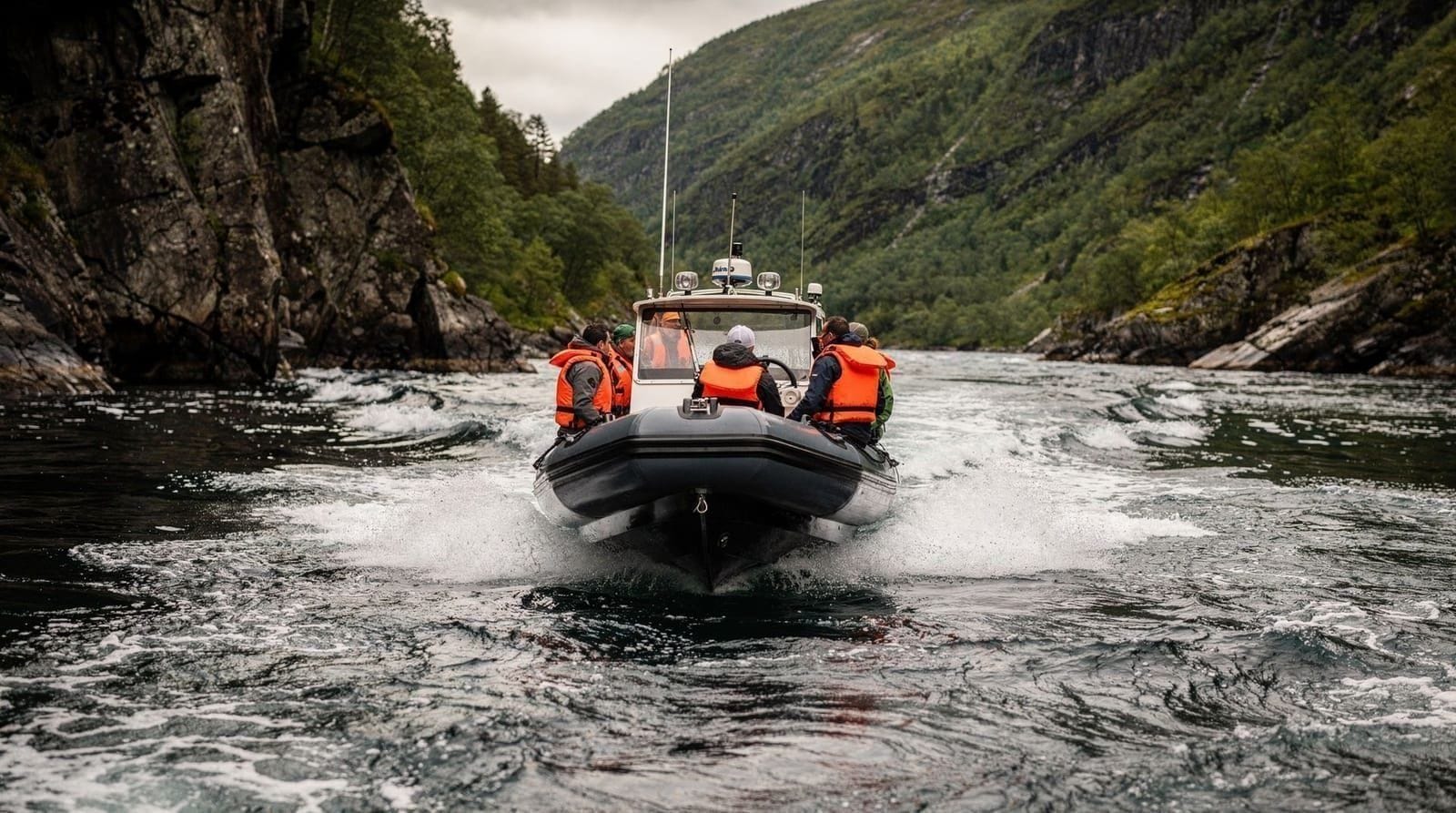
Bergen: Mostraumen Fjord Cruise, Operated & Guided by Locals
Duration: 3.5 hours
Quick facts
- Population
- ~290,000
- Rainy days/year
- ~230
- Airport
- Bergen Flesland (BGO), 18 km from centre
- Fløibanen return
- see floibanen.no
- Bergen Card 24h
- NOK 400
- Language
- Norwegian; English universally spoken
Bergen is the capital of Western Norway in everything but name. Wedged between seven mountains and a harbour that has been a commercial hub for centuries, it functions today as the main gateway to the Sognefjord, Hardangerfjord, and the Norway in a Nutshell circuit. It also rains here roughly 230 days a year. That is not a reason to stay away — it is the single most useful fact to know before you arrive, because it shapes every decision from what to pack to when to book the funicular.
| Where | Western Norway, gateway to the fjords |
| Time needed | 2–3 days minimum, 5 with fjord trips |
| Cost | Around NOK 1,300–3,500 per day depending on style |
| Getting there | Bergen Flesland Airport (BGO), or train from Oslo (around 7 hours) |
| Best time | May or September for fewer crowds and lower prices |
What Bergen actually looks like in practice
The city centre is compact and walkable. Bryggen, the Fish Market, the funicular base station, and the main shopping street (Torgallmenningen) form a triangle you can cross in fifteen minutes. The upper end of the Bergen Card museum circuit — KODE buildings 1–4, Bergenhus Fortress, the Hanseatic Museum — clusters within a short walk. Beyond that, the urban fabric thins quickly into residential hills and hiking trails.
Most visitors spend their time in a roughly 2 km radius around Bryggen. That works well for two to three days. If you want fjord day trips, Bergen is purely a logistical base — the real landscape begins outside the city.
Bryggen Hanseatic Wharf
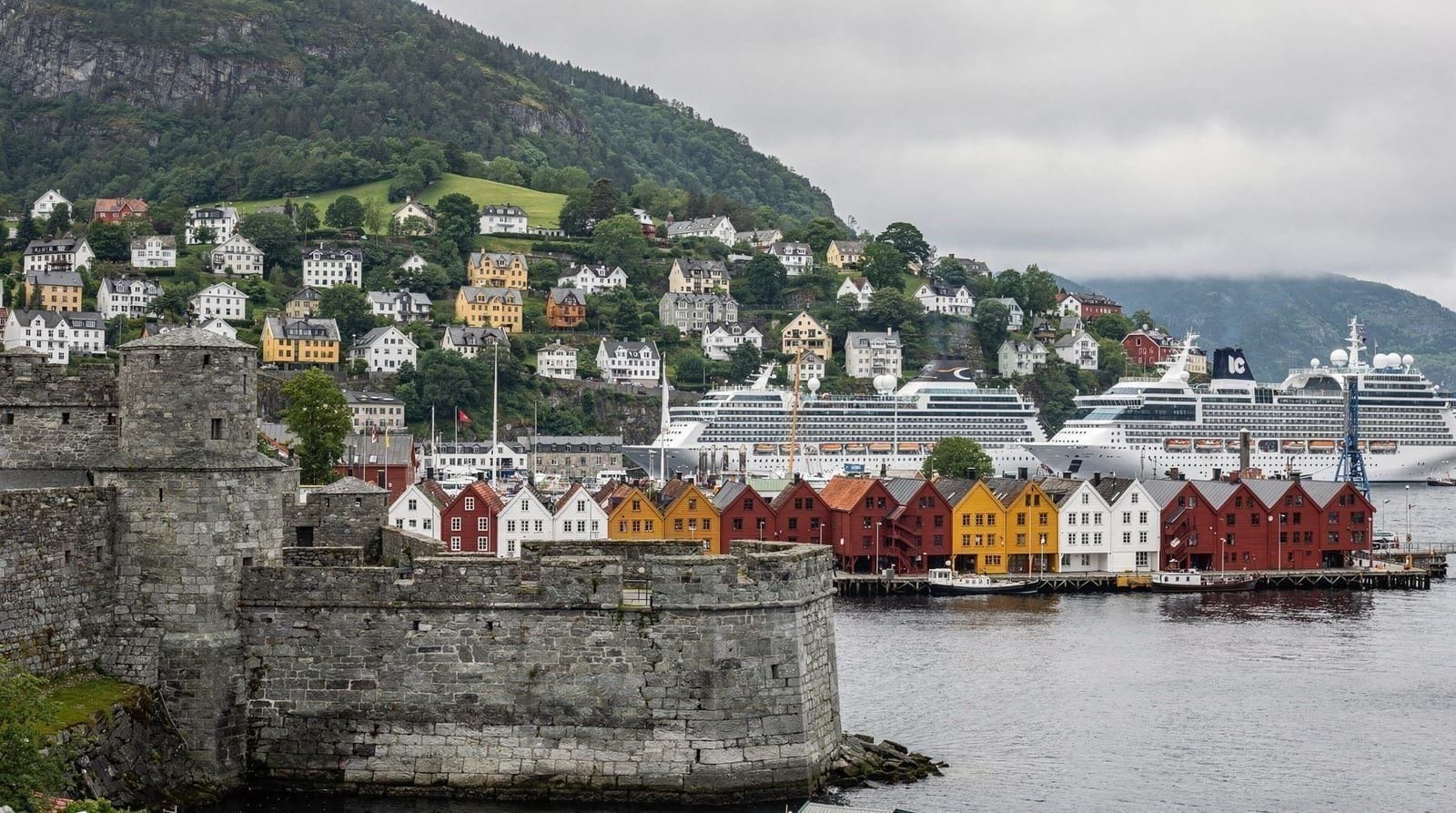
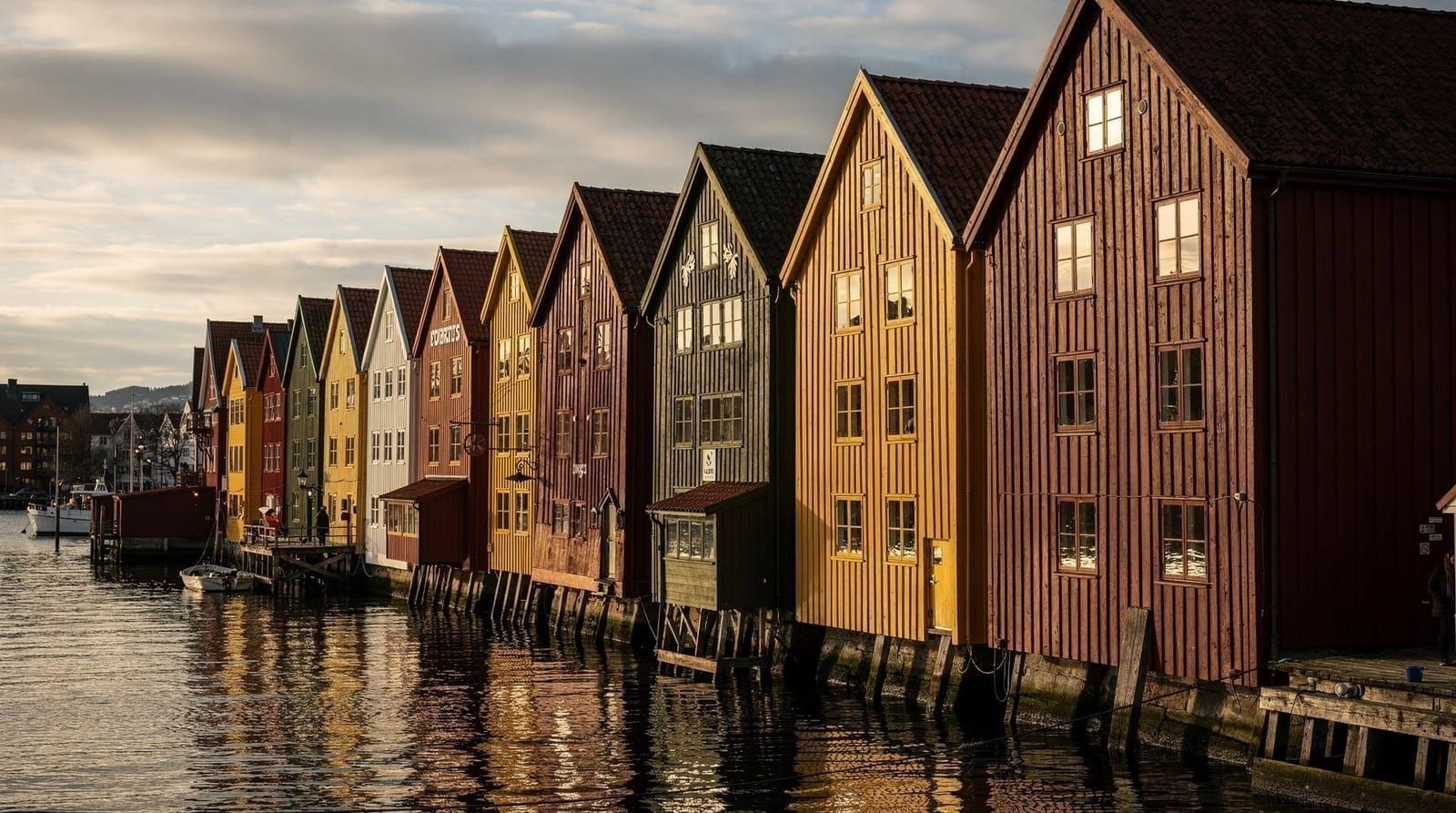
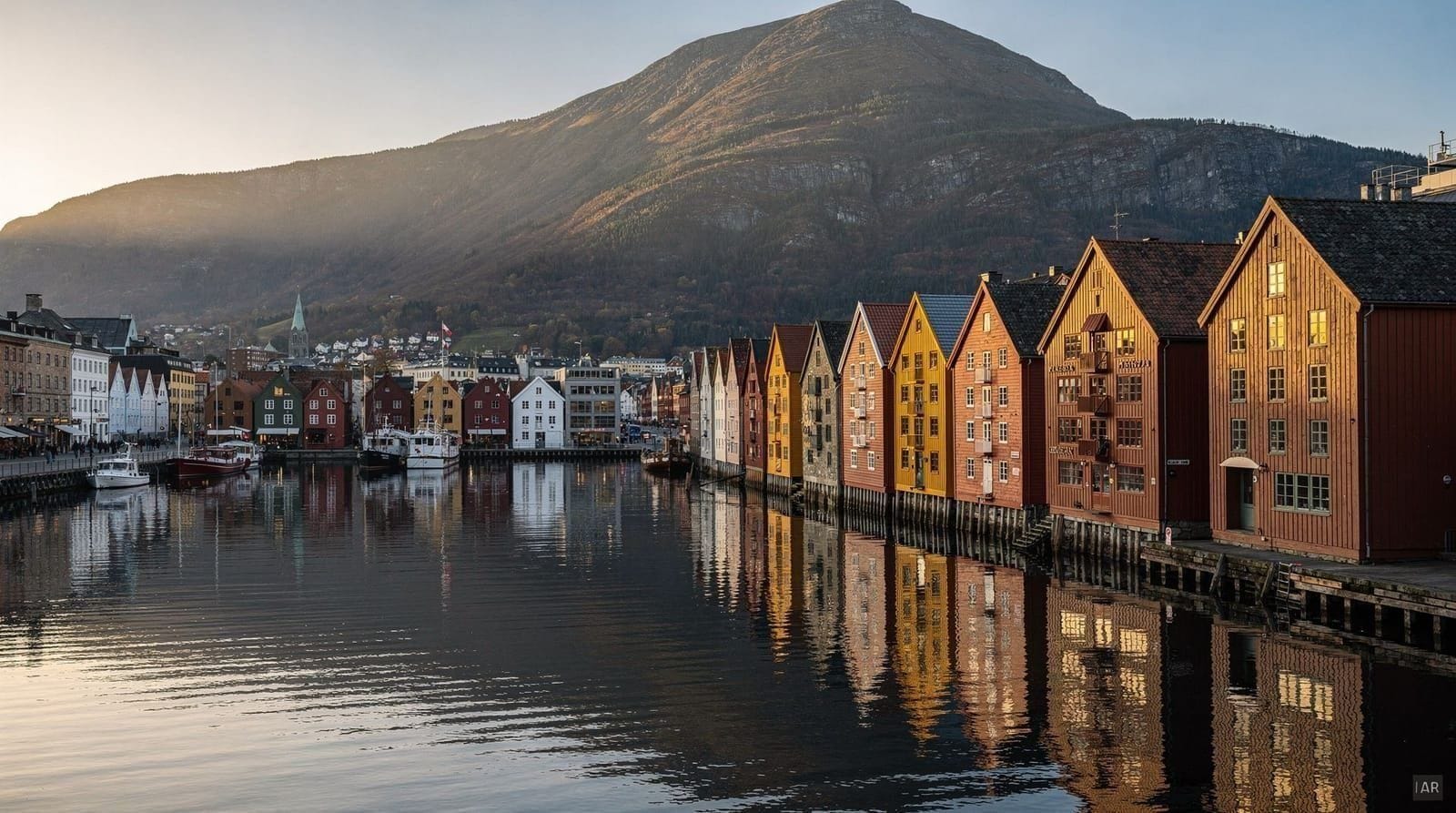
Bryggen is Bergen’s UNESCO-listed icon and its most visited site. The distinctive row of gabled wooden buildings along the eastern quay dates from the 14th century, though most of what you see today is post-1702 reconstruction after a catastrophic fire. The Hanseatic League operated one of its four major trading posts here; Bergen was once among the largest cities in Northern Europe.
Walking along the quay costs nothing. The real reward is the alleyways and internal courtyards behind the frontages — narrow, dark, slightly lopsided passages lined with craft shops, art galleries, and small galleries. Go before 9 am to have them mostly to yourself; by 10 am in July, cruise groups pack the lanes. The Bryggens Museum (NOK 130, Bergen Card included) beneath the surface provides the archaeological context — excavations here revealed domestic life from the 12th to 16th centuries.
The Hanseatic Museum closed for renovation but is scheduled to reopen; check current status before visiting. The Theta Museum, a tiny WWII resistance-cell museum tucked into a Bryggen building, charges NOK 70 and takes twenty minutes — disproportionately interesting for history readers.
For a guided introduction to Bryggen’s layered history, a walking tour covers ground the signage does not. See our Bergen city sightseeing guide for a full breakdown of guided vs. self-guided options.
Fløibanen funicular and Mount Fløyen
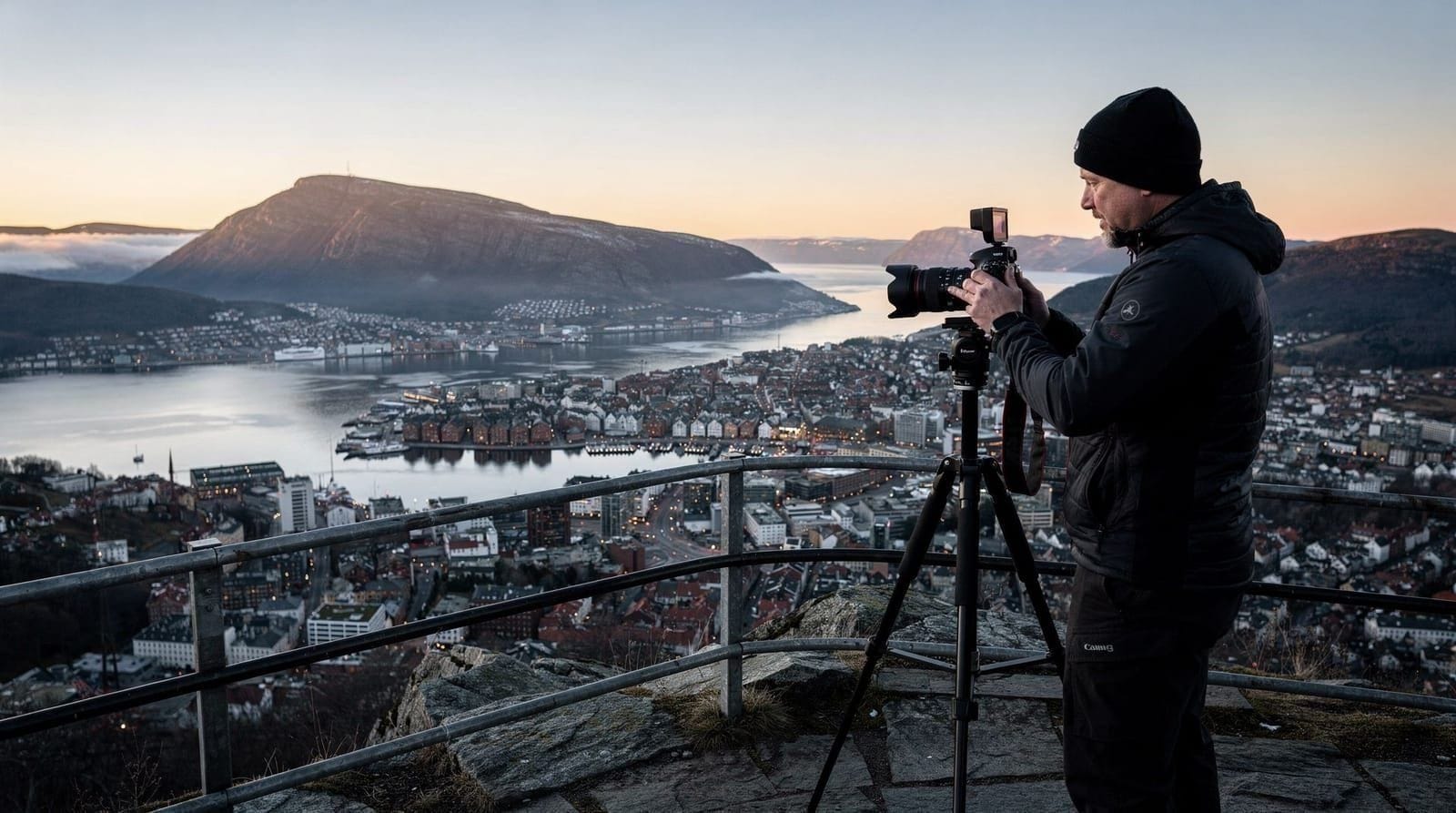
The Fløibanen funicular runs from a station two minutes’ walk from Bryggen to the summit of Mount Fløyen at 320 m. The ride takes six minutes. At the top: a panoramic view over the city, the harbour, the surrounding mountains, and — on a clear day — the broader archipelago. The view on a rainy day with low cloud is different but equally atmospheric.
Return ticket: NOK 220 for adults in summer; NOK 190 in winter. Children 5–15: NOK 110. Under 5 free. Bergen Card gives 50% off. Queue times in July: 30–60 minutes without pre-booking; book online to use the faster lane.
At the summit there are marked trails. The most popular links Fløyen to Mount Ulriken via a ridge walk (4–5 hours, moderate difficulty), allowing you to descend via the Ulriken cable car on the other side. A shorter loop around Fløyen Lake takes 45 minutes. The Trollskogen “troll forest” is signposted and aimed at families with young children — wooden sculptures among the trees. The summit café serves decent waffles and coffee at Norwegian prices (waffles NOK 65–80).
Read more in our Fløibanen funicular guide.
Mount Ulriken cable car
At 643 m, Ulriken is the highest of Bergen’s seven mountains. The cable car runs from the Ulriken643 base station (reachable by Bus 2 from the city centre) to the summit in about five minutes. Return ticket: NOK 360 adult. The restaurant at the top serves a 3-course lunch and 5-course dinner — expensive but the view is genuinely exceptional on clear days.
The practical reason to go to Ulriken rather than just Fløyen: the Vidden ridge route connecting both mountains is one of the most accessible backcountry hikes in urban Norway, and doing it Ulriken–Fløyen means you descend on the more dramatic Fløyen side. Carry weather layers regardless of the forecast. See our Ulriken cable car guide for the ridge hike details.
Fish Market (Fisketorget)
The Fish Market at Torget is the most tourist-concentrated spot in Bergen. Outdoor seafood stalls run May through September; the indoor market hall operates year-round. Bergen shrimp (reker) sold in paper cones is the signature snack — around NOK 120–180 depending on portion size. Smoked salmon, fresh catch, whale carpaccio (it is legal in Norway), and reindeer products are the staples.
The honest assessment: the quality is fine, the atmosphere is genuine enough, and the prices are high even by Norwegian standards. A standard seafood platter costs NOK 200–350 per person. You are paying partly for location. Locals buy fish from the supermarket. If you eat one meal at the market, go for the shrimp-in-a-cone standing at the harbourside.
For a deeper food context, the Bergen Food & Drink guide covers where the city actually eats — which is increasingly well, with a small cluster of serious restaurants in Øvregaten and Nedre Korskirkealmenning.
A guided food and culture walk covers the Fish Market, local food history, and Bergen specialties with commentary that gets past the surface level.
Bryggen, Fløyen, the fish market, Troldhaugen and the aquarium are spread across four districts, and doing all of them by public transport takes a day and a half: a private guided city sightseeing covering eight top attractions compresses that into an afternoon.
KODE art museums
KODE operates four buildings within 500 m of each other near Lille Lungegårdsvannet, the city’s central pond. The collection spans Norwegian masters (J.C. Dahl, Harriet Backer, Nikolai Astrup), Edvard Munch works, and a substantial international collection that includes Picasso and Klee. KODE 2 houses the main Munch room; KODE 4 has the flagship temporary exhibitions.
Admission per building: NOK 170 adult; Bergen Card covers entry. A combined day pass for all KODE buildings is available. The Edvard Grieg collection at KODE holds original manuscripts and instruments — a short complement to the Troldhaugen villa visit outside the city. See our Bergen museums & culture guide.
Bergenhus Fortress
The fortress at the northern end of Bryggen harbour includes Håkonshallen (a 13th-century royal hall, one of the largest medieval secular buildings in Norway) and Rosenkrantztårnet (a Renaissance tower). Both are free to enter the grounds; interior tickets cost NOK 100 each or are included in Bergen Card. The grounds stay open year-round; interiors have seasonal hours. Worth 45–60 minutes if medieval history is your interest. Worth a stroll past even if not.
Getting around Bergen
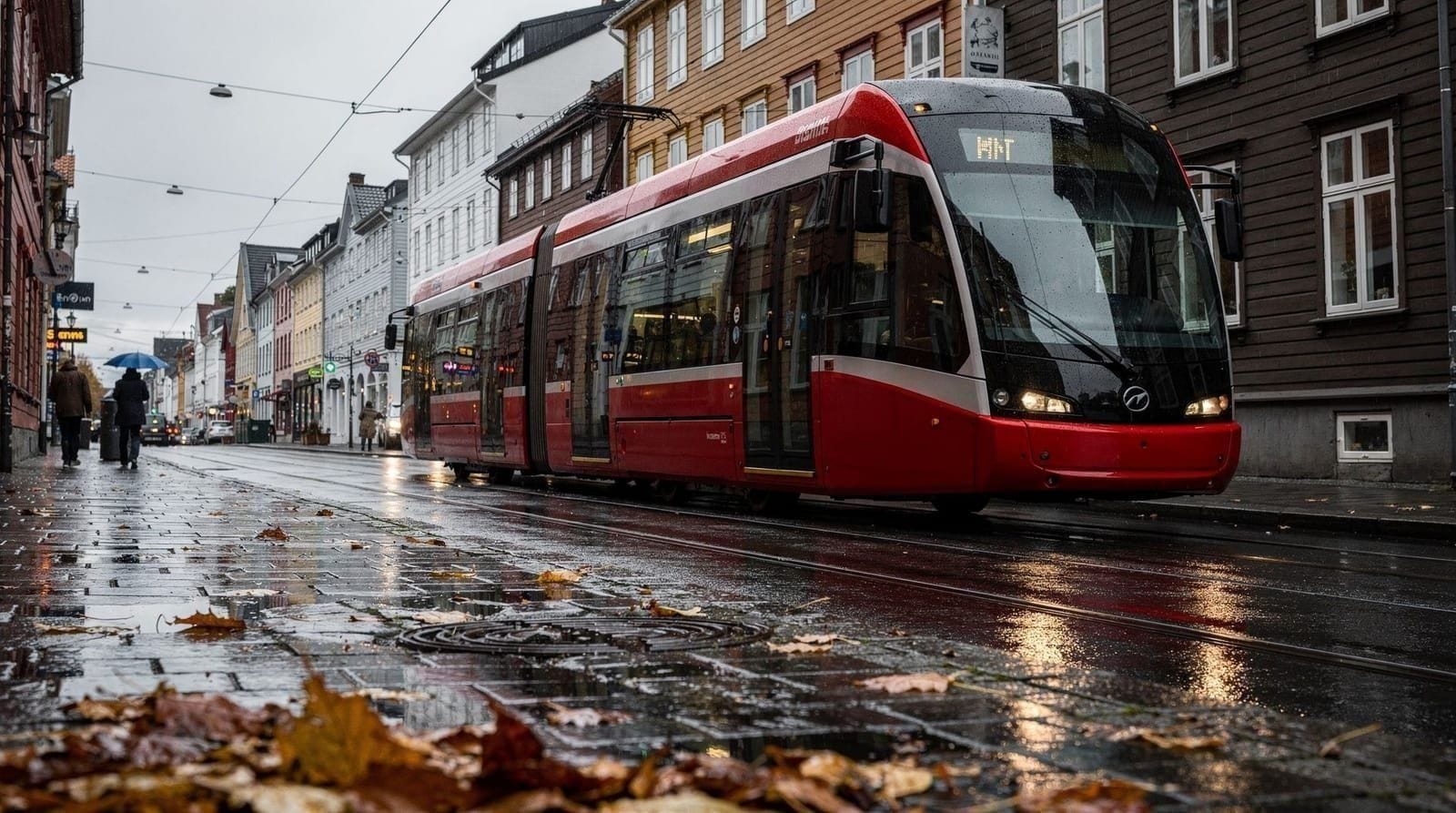
Bergen’s city centre is compact enough to cover on foot. The Bybanen light rail (Line 1) runs from Bergen Airport Flesland through the city centre to Byparken in about 45 minutes — cost NOK 51 adult, children under 6 free with a paying adult, up to 4 children. It continues south toward the residential areas. Buy tickets in the Skyss Billett app or at platform machines before boarding; inspectors operate regularly.
Buses cover the wider city. Taxis are expensive (NOK 100–150 just for the initial flag fall). For fjord day trips, most visitors use the express boat from Strandkaiterminalen pier or the Bergen–Myrdal train from Bergen Station.
See the getting around Bergen guide for full transport options including the Bybanen fare zones and the Bergen Card transport calculation.
Day trips from Bergen
Bergen’s primary value for many visitors is as a base. The signature day trips:
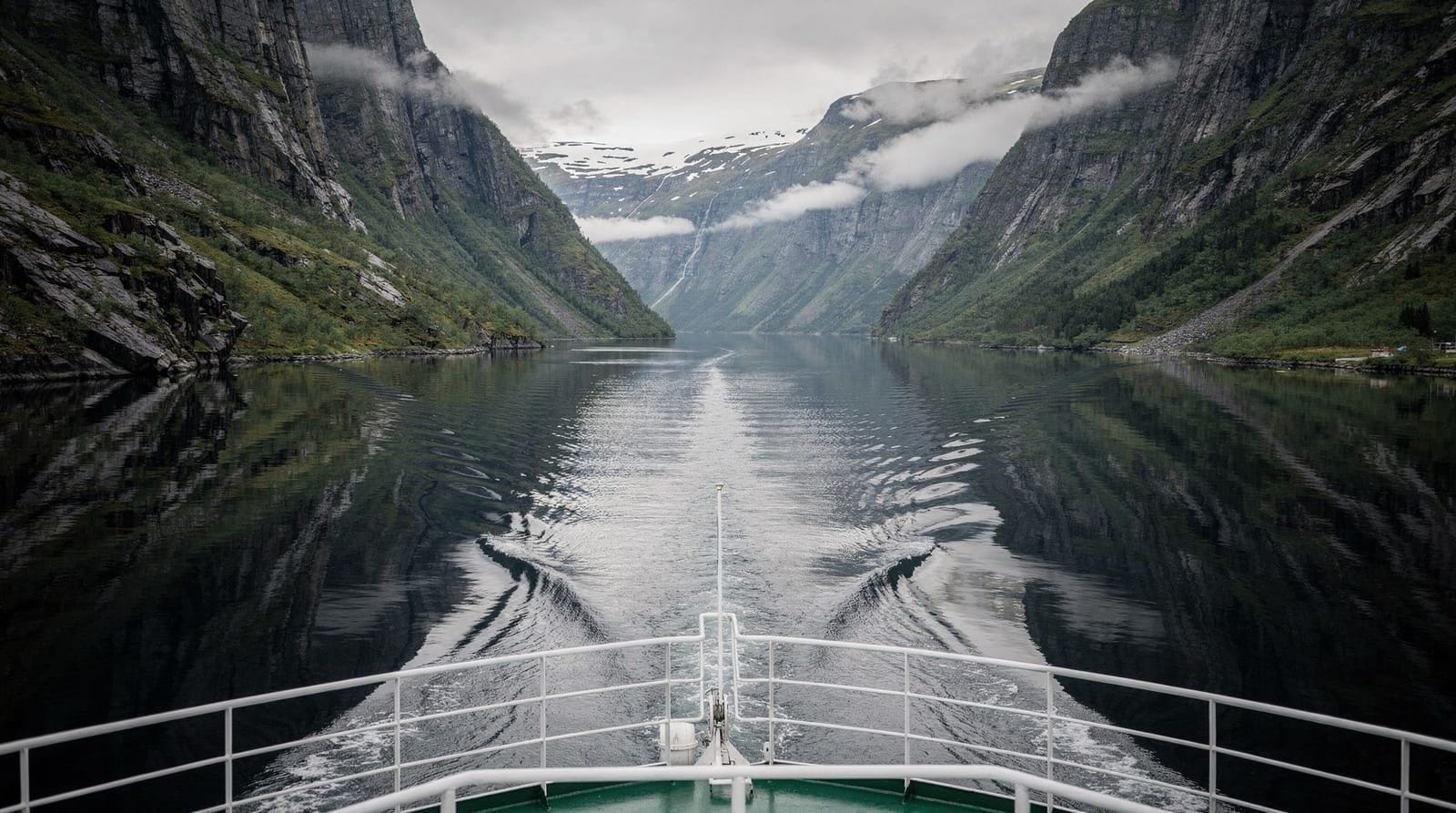
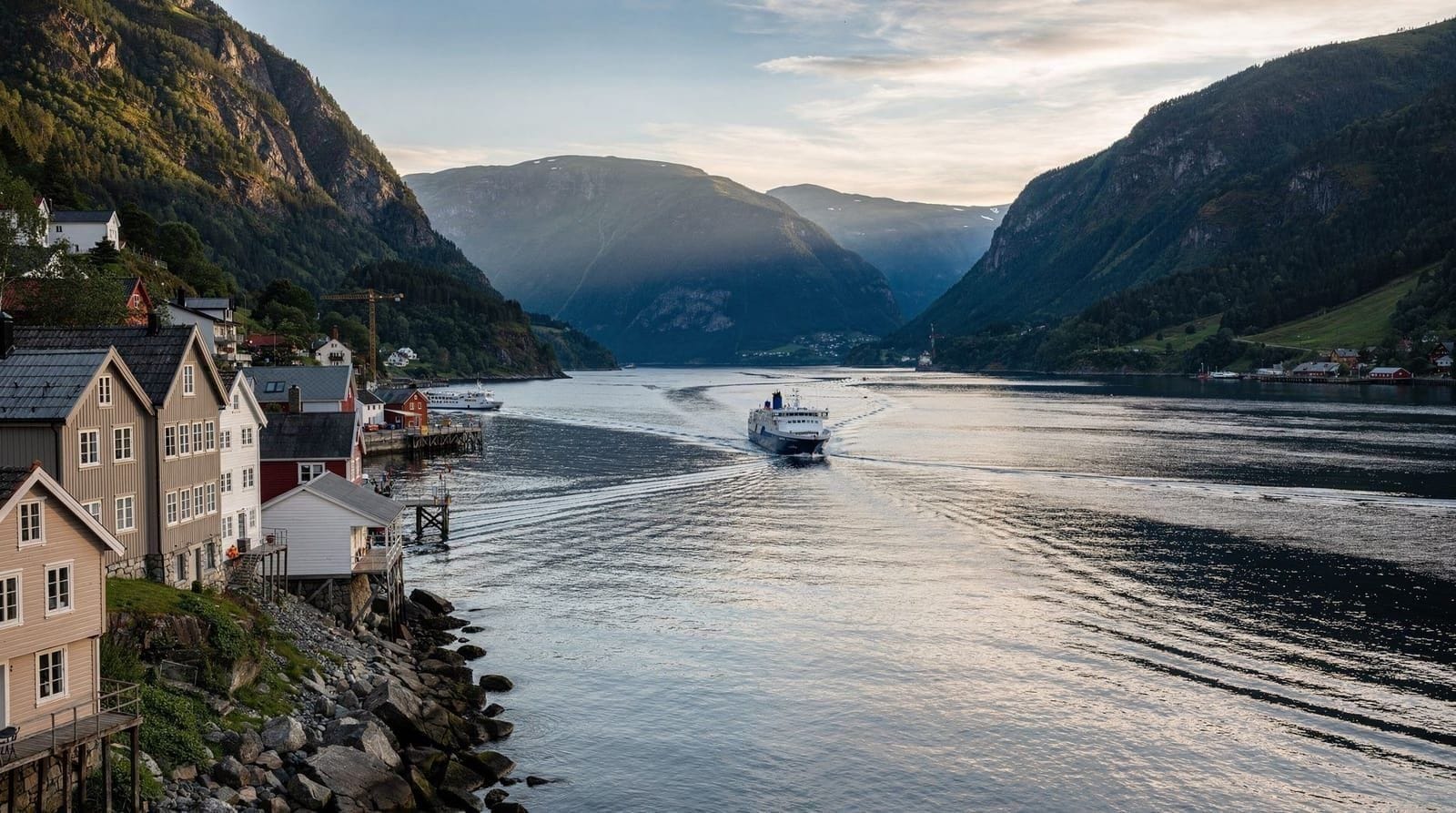
Mostraumen fjord cruise: A four-hour round trip from Bergen harbour through the narrow arms of the Osterfjord. No train logistics needed. Operates year-round. Around NOK 1,100 per adult. The most time-efficient fjord experience for visitors with limited days.
The Mostraumen cruise runs from Bergen harbour and requires no connecting transport — it is the simplest fjord day experience from the city.
Norway in a Nutshell: Bergen → train to Myrdal → Flåm Railway to Flåm → Nærøyfjord fjord cruise to Gudvangen → bus to Voss → train back to Bergen. About 14 hours. The most-booked multi-modal circuit in Norway. You can book each segment independently for 20–40% less than the Fjord Tours package. Read our Norway in a Nutshell guide for the self-booking breakdown.
Hardangerfjord: Express boat from Strandkaiterminalen to Rosendal, Lofthus, and Eidfjord (~2 hours each way). Vøringsfossen waterfall (182 m free fall) and the fruit orchards of the Hardanger region. See the best day trips from Bergen guide for a comparison of all options.
The fjord cruises from Bergen guide compares Mostraumen vs. Nærøyfjord vs. Hardangerfjord by price, duration, and what you actually see — the most useful decision-support page on this site.
The rain
Bergen averages 2,250 mm of rain per year — roughly five times London’s total. The wettest months are October through January. May is the driest month. Rain in Bergen is not like rain elsewhere: it can arrive horizontally, in solid sheets, with no warning. Then it stops for two hours and the light is extraordinary.
The practical consequence: every plan needs a wet-weather version. The Fløibanen funicular in cloud cover, with the city below you in mist, is a different and genuinely beautiful experience. KODE museums give you a full day’s worth of indoor content. The Bergen Card makes museum-hopping cost-effective when outdoor plans fail.
Pack a quality waterproof jacket, not an umbrella. Wind makes umbrellas useless. See Bergen in the rain for a full rainy-day programme.
Bergen month by month
Bergen doesn’t really have a “bad” month so much as a spectrum of trade-offs between crowds, cost, and daylight. This is the honest version of what each season actually delivers:
| Month | Rain / weather | Daylight | Crowds & prices |
|---|---|---|---|
| Dec–Feb | Wet, cold, occasional snow | Short (~6hrs), Christmas market in Dec | Cheapest, quietest, some fjord tours reduced |
| Mar–Apr | Still wet, temperatures rising | Lengthening fast | Low season prices, most services resuming |
| May | Driest month of the year | Long, bright evenings | Low crowds, good value — the insider pick |
| Jun–Jul | Warmest, still frequent showers | Near-endless (midnight sun influence) | Peak season, highest prices, book ahead |
| Aug | Warm, wetter again | Still long | Peak continues, cruise ship traffic heavy |
| Sep | Reliable shoulder-season weather | Shortening | 30–40% lower rates, first aurora chances |
| Oct–Nov | Wettest months of the year | Short, dark by late afternoon | Cheap but limited fjord-tour schedules |
If you’re chasing northern lights from Bergen, the September–March window matters more than the summer months, though city light pollution means you’ll want to get out toward the coast for a real chance. Anyone weighing up a winter trip specifically should read Bergen in winter before booking — services and daylight both shrink substantially.
Getting to Bergen
Most visitors arrive by air into Bergen Flesland (BGO), with direct flights from most major Northern European hubs and connections via Oslo for long-haul travelers. The scenic alternative is the train from Oslo — a roughly 7-hour ride over the Hardangervidda plateau that is a genuine attraction in its own right, not just transport. Driving from Oslo takes 6–7 hours via the E16 and involves ferries or the newer tunnel routes depending on season. Full details, including how the Flesland airport transfer compares to renting a car, are in our getting to Bergen guide.
Where to stay
Bergen’s accommodation range:
- Budget hostels: NOK 350–600 per dorm bed; Marken Guesthouse (NOK 600–900 private room) is a reliable mid-budget option
- Mid-range hotels: NOK 1,500–2,200 per double; Citybox Bergen and Zander K Hotel offer solid value in central locations
- Upper end: Opus XVI and Sandviken Brygge for heritage-converted properties at NOK 2,500+
Book ahead from April onwards for peak summer (June–August). Last-minute rates in July can exceed NOK 3,500 for a basic double.
Edvard Grieg’s Troldhaugen
Edvard Grieg, Norway’s most celebrated composer, lived at Troldhaugen (“Hill of Trolls”) from 1885 until his death in 1907. The villa, composer’s cabin, and museum are open April–November (NOK 130 adult). The house has been preserved largely as Grieg left it, including his Steinway piano in the main room. The small wooden cabin (Komposisjonshytten) where he worked is perched over the lake — an oddly intimate glimpse into working space.
The museum adjacent to the house covers his career, the Piano Concerto in A minor, and his relationship with Bergen. Grieg concerts are performed in the adjacent Troldsalen recital hall during summer (June–September, NOK 200–350 per ticket). Getting there: Bus 90 from Bergen city centre to Hop, then a 10-minute signposted walk. Total journey: 35 minutes.
The Edvard Grieg Troldhaugen guide covers the site in detail including concert booking.
Bergen’s restaurant scene
Bergen’s food scene has improved substantially in the past decade, driven partly by the same oil-sector money that has made Norway expensive and partly by a generation of Bergen-trained chefs who returned from international stints. The concentration of serious restaurants is small but the quality in that cluster is genuine.
To know about:
-
Colonialen Litteraturhuset (Øvregaten): Café and bar in the literature house — good coffee, lunch and light dinner menu. Mains NOK 200–320. One of the few places in Bergen where the ambiance is as good as the food.
-
Lysverket (KODE 4): Museum restaurant with a creative Norwegian menu focusing on local produce. One of Bergen’s better dining rooms; lunch NOK 180–280, dinner tasting menu NOK 800–1,200.
-
Cornelius Seafood Restaurant: Accessible only by boat from Bryggen (15-minute ferry included in the reservation). Situated on an island in the fjord. The gimmick is justified by the seafood quality. Dinner from NOK 700 per person without drinks. Book well in advance.
-
Bryggeloftet and Stuene: Historic restaurant in a Bryggen building. Tourist-oriented but the food — salted cod, cured meats, Bergen fish soup — is genuine Norwegian. Lunch from NOK 200, dinner mains NOK 280–400.
For budget eating: Kafe Kippers near the fish market serves open sandwiches and soups from NOK 110–160. Bunnpris and Rema 1000 supermarkets near the city centre have prepared food counters where a complete lunch costs NOK 80–100.
The Nordnes peninsula and Bergenhus area
West of Bryggen, the Nordnes peninsula extends into the harbour with a residential neighbourhood of coloured wooden houses. The Bergen Aquarium (Akvariet, NOK 280 adult, NOK 200 children) is at the tip — the penguins and the North Sea fish tanks are the main draws for families. The promenade along the peninsula gives good views back toward Bryggen and the harbour. A 30-minute walk from Bryggen gets you to the aquarium.
Bergenhus Fortress, at the harbour entrance, includes the oldest section of Bergen’s medieval fortifications. The grounds are always open. The cannon battery and the Rosenkrantztårnet tower provide a view over the harbour entrance that reveals the strategic logic of the site. Evening visits when the tourist crowds have thinned are particularly good.
How to plan your time
2 days (minimum): Day 1: Bryggen → Fløibanen → Fish Market lunch → KODE. Day 2: Mostraumen fjord cruise (full morning/afternoon). Evening both days: the harbourside restaurant strip around Bryggen.
3 days: Add Mount Ulriken, Bergenhus Fortress interior, the Edvard Grieg Troldhaugen villa (35 minutes by bus to Paradis station, then 10-minute walk), and a longer evening in the Øvregaten restaurant area.
5 days: Bergen as a base for two full-day fjord trips (Norway in a Nutshell, plus Hardangerfjord or Nærøyfjord independently). See our Bergen and fjords 5-day itinerary.
See the Bergen 2-day itinerary for a worked, hour-by-hour plan.
A combined city sightseeing and fjord cruise tour covers Bryggen, the Fish Market, Fløyen, and a harbour cruise in a single structured day — useful for first visits.
Frequently asked questions about Bergen
How many days do you need in Bergen?
Two days covers the main city sites (Bryggen, Fløibanen, Fish Market, KODE) at a reasonable pace. Three days allows one fjord day trip plus city sightseeing. Five days is the right length for Bergen as a fjord-trip base. If you are a cruise passenger with 4–8 hours in port, the Fløibanen + Bryggen + Fish Market loop is achievable — see our Bergen cruise port guide.
Is the Bergen Card worth buying?
It depends on your programme. The Bergen Card covers Fløibanen (50% off), most KODE buildings, Bergenhus Fortress interiors, Håkonshallen, and some bus travel. If your two-day plan includes the funicular, two KODE buildings, and Bergenhus, the 48-hour card (NOK 500) pays for itself. If you plan one museum and one funicular ride, buy à la carte. The card does not cover the Flåm Railway or fjord cruises.
Compare Bergen Card options (24h to 96h)What is the best time to visit Bergen?
May is the driest month with good daylight and lower crowds. June and July are warmest but most crowded and most expensive. September is the best shoulder-season choice: autumn light, first aurora potential, 30–40% lower accommodation prices, and most fjord services still operating. Winter (November–March) is cheapest but dark and wet; the Christmas market in December is a draw.
Is Bergen expensive?
Yes, by almost any European standard. Budget around NOK 1,300 per day for a very frugal visit (hostel dorm, self-catering lunch, one paid attraction). Mid-range travelers spending normally on restaurants and activities should budget NOK 2,500–3,500 per day. A restaurant dinner for two with wine costs NOK 1,200–1,800. Coffee is NOK 50–70. See Bergen travel budget for a full cost breakdown.
Can you visit Bergen in the rain?
Yes. Bergen infrastructure is built for rain. Museums, covered markets, cafes with fog-of-breath windows, cable cars with cloud views — the city has a full rainy-day programme. The honest recommendation: pack a waterproof jacket (not an umbrella), accept that some outdoor plans will shift, and build a rain contingency into each day. See Bergen in the rain.
How do you get from Bergen airport to the city centre?
The fastest value option is the Bybanen light rail: NOK 51, about 45 minutes to the centre (Byparken stop). The Flybussen airport express bus is faster at 30 minutes with current fares at flybussen.no. Taxis cost NOK 400–600. See the Bergen airport to city guide for full options.
Is Bergen worth visiting without doing fjord trips?
Yes. Three days of Bergen city alone — Bryggen, the seven-mountain hikes, KODE, the food scene, Troldhaugen — is a complete trip for a certain type of traveler. That said, the Mostraumen four-hour cruise requires no travel planning and gives you genuine fjord exposure without leaving Bergen harbour. For most visitors, at least one fjord experience is worth including. Read is Bergen worth visiting for an honest assessment.
Where is the best view in Bergen?
Fløyen is the accessible standard — panoramic, 20 minutes from the city centre via funicular, achievable in any fitness level. Ulriken gives a higher, more dramatic perspective but requires the cable car or a longer hike. The view from Fløyen over the city on a morning with clearing cloud — when the light hits the coloured houses and the harbour fills with fishing boats — is Bergen at its most visually rewarding.
Top experiences
Bookable activities with verified prices and instant confirmation on GetYourGuide.